
iPhone 18 Pro Low-Light Camera: What's New for Night Photography?
iPhone 18 Pro Low-Light Camera: What's New for Night Photography?
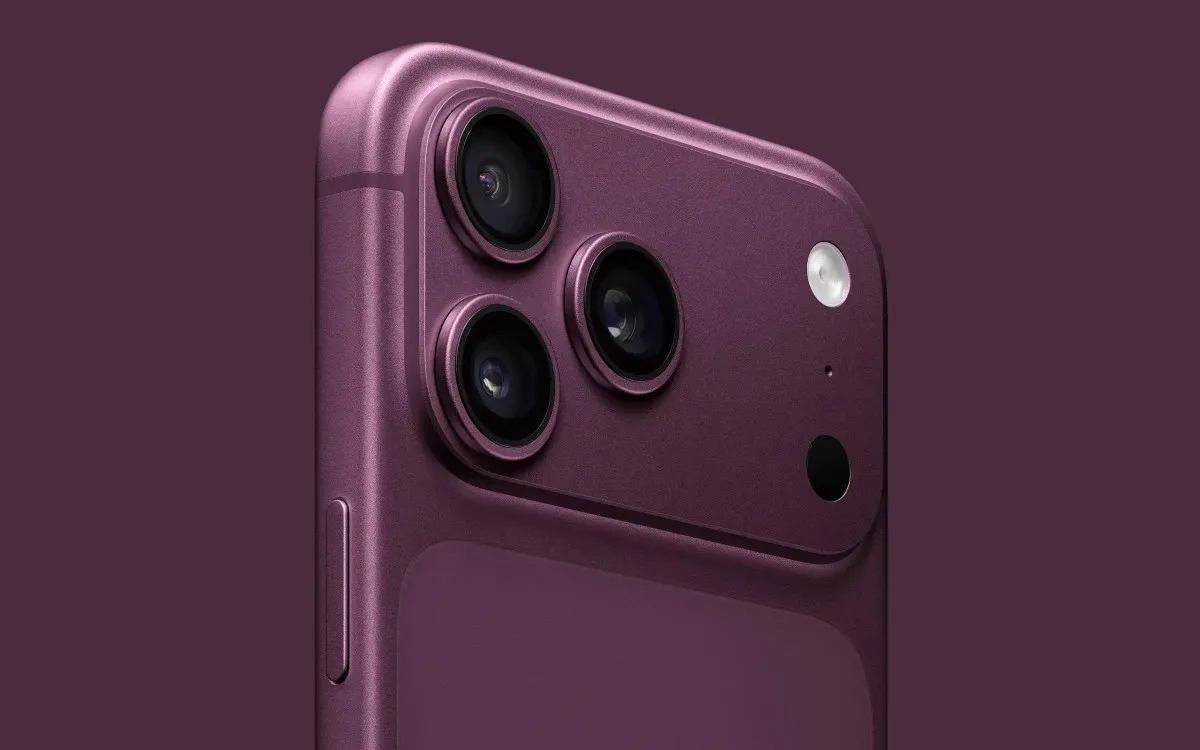
The iPhone 18 Pro brings one of Apple’s most meaningful camera changes for low-light photography: a 48MP Fusion Main camera with a variable aperture. Instead of using a fixed aperture, the camera can adjust how much light reaches the sensor depending on the scene.
Apple says the widest ƒ/1.48 setting provides around 50% better low-light performance and allows Night mode photos to be captured faster. The new system also gives photographers more control over depth of field, while improved low-light video processing is designed to produce brighter and clearer footage at night.
What is new with the iPhone 18 Pro low-light camera?
The biggest change is not simply a higher megapixel count. It is the addition of a variable aperture to the 48MP Fusion Main camera.
The aperture can automatically switch between four settings:
Aperture | Main use |
|---|---|
ƒ/1.48 | Maximum light and better low-light performance |
ƒ/1.8 | Default balance between light and depth |
ƒ/2.8 | Greater depth of field |
ƒ/4.0 | Maximum depth and creative effects |
Apple says the camera can automatically select the appropriate aperture based on lighting and depth-of-field requirements. Users can also control the aperture manually through the new Pro controls.
ƒ/1.48 is the key setting for night photography
For dark scenes, the camera can open to ƒ/1.48.
A wider aperture allows more light to reach the sensor. On the iPhone 18 Pro, Apple specifically links this setting to improved low-light performance and faster Night mode photography.
That should be particularly useful for scenes such as:
Night-time street photography
Restaurants and cafés with dim lighting
Indoor events
Evening portraits
City scenes with limited ambient light
Night-time family and travel photos
Apple claims around 50% better low-light performance at ƒ/1.48 compared with the previous setup.
How does the variable aperture help at night?
Traditional smartphone cameras generally rely heavily on computational photography when light levels fall. The iPhone 18 Pro still uses Apple's computational imaging system, including Photonic Engine, Deep Fusion and Night mode, but the variable aperture gives the camera another physical control over incoming light.
In a very dark environment, the camera can open the aperture to ƒ/1.48. In brighter conditions, it can use a narrower aperture when greater depth of field is useful.
This matters because low-light photography is not only about making an image brighter. The camera also needs to deal with movement, noise, highlights and focus.
The iPhone 18 Pro combines its new aperture system with second-generation sensor-shift optical image stabilisation on the Main camera.
Night mode is still part of the system
The iPhone 18 Pro does not replace Night mode with the new aperture system.
Night mode remains available, while the wider ƒ/1.48 aperture is designed to help the camera gather more light before computational processing takes place. Apple specifically says the widest aperture allows users to take better-quality Night mode photos faster.
The result should be most noticeable when photographing scenes that are dark but still contain some available light.
For example, a city street at night may contain streetlights, shop signs and car headlights. The camera needs to preserve those bright areas while bringing detail out of the darker parts of the frame.
iPhone 18 Pro camera specifications for low light
The main camera is still a 48MP Fusion camera, but its optical design is considerably more flexible than before.
Camera feature | iPhone 18 Pro |
|---|---|
Main camera | 48MP Fusion |
Main focal length | 24mm / 48mm |
Main aperture | ƒ/1.48, ƒ/1.8, ƒ/2.8, ƒ/4.0 |
Main stabilisation | 2nd-generation sensor-shift optical image stabilisation |
Ultra Wide | 48MP Fusion |
Ultra Wide aperture | ƒ/2.2 |
Telephoto | 48MP Fusion |
Telephoto focal lengths | 100mm / 200mm |
Telephoto aperture | ƒ/2.8 |
Night mode | Yes |
ProRAW | Yes |
Pro controls | Aperture, shutter speed, white balance, histogram |
Apple also lists Photonic Engine, Deep Fusion, Smart HDR 5 and automatic image stabilisation as part of the camera system.
What about low-light portraits?
The variable aperture could be particularly interesting for portraits.
At ƒ/1.48, the camera prioritises light gathering and can create a shallower depth of field. For a person standing in a dim restaurant or at an evening event, this can help separate the subject from the background.
The narrower ƒ/2.8 and ƒ/4.0 settings serve a different purpose. They allow more of the scene to remain in focus and can be useful when the photographer wants greater depth.
Apple says the aperture can adjust automatically, but the new Pro controls also let users select the aperture themselves.
New Pro controls give photographers more control
Low-light photography is not always best left entirely to automatic processing.
The iPhone 18 Pro introduces new Pro controls in the Camera app. Users can manually adjust:
Aperture
Shutter speed
White balance
Exposure information through a histogram
This opens up more possibilities for night photography.
For example, a slower shutter speed can intentionally introduce motion blur, while a faster shutter speed can help freeze moving subjects. Apple specifically highlights manual shutter-speed control as a way to create artistic motion effects.
The important difference is that these controls are available directly in the native Camera app rather than requiring a separate third-party camera application.
Low-light video gets an upgrade too
The iPhone 18 Pro's improvements are not limited to still photos.
Apple says the camera system improves low-light video by intelligently adjusting the aperture and frame rate when shooting at night or indoors. The goal is brighter and clearer footage in challenging lighting.
The phone also supports professional video formats and features including:
4K Dolby Vision recording
ProRes
ProRes RAW
Apple Log 2
4K Dolby Vision at up to 120 fps
Second-generation sensor-shift stabilisation on the Main camera
Night mode Time-lapse
The iPhone 18 Pro also supports improved low-light video at 1080p.
For people who shoot night-time videos for social media, travel videos or filmmaking, the combination of better light gathering and manual controls may be more useful than a simple increase in resolution.
What happens when you photograph bright lights at night?
Night photography often involves a difficult combination: very dark surroundings and extremely bright light sources.
Think of:
Street lamps
Car headlights
Neon signs
Building lights
Fireworks
Concert lighting
A camera needs to balance those highlights against the darker parts of the image.
The iPhone 18 Pro's variable aperture gives the camera more physical control over the amount of light entering the Main camera. At the same time, users can manually adjust exposure-related settings through Pro controls.
At ƒ/4.0, Apple also highlights the possibility of creating a starburst effect around bright lights when using Pro controls.
That makes the aperture useful for creative night photography, not just for making dark pictures brighter.
Is the iPhone 18 Pro better for night photography?
On paper, yes. The biggest improvement is the combination of the ƒ/1.48 maximum aperture, Night mode, stabilisation and new manual controls.
Apple's official specifications confirm the hardware and camera features, while Apple specifically claims around 50% better low-light performance at the widest aperture.
However, real-world image quality depends on the scene. A specification alone cannot tell us exactly how much cleaner an image will look in every nighttime situation.
The practical advantage is that the iPhone 18 Pro has more ways to handle difficult lighting instead of relying on a single fixed-aperture setup.
What does this mean for everyday night photos?
For most people, the main benefit should be simple: better flexibility in dark environments.
You do not need to understand aperture settings to benefit from the new camera. The iPhone can automatically adjust the aperture depending on the scene.
More advanced photographers can take control when they want a particular result.
That creates two different experiences:
Automatic shooting:
The camera chooses the aperture and processing settings to produce a usable low-light photo.
Manual shooting:
The photographer can select aperture, shutter speed and white balance to control the look of the image.
This makes the iPhone 18 Pro more interesting for both casual night photography and users who want greater control.
Should you upgrade for the low-light camera?
If low-light photography is one of your main reasons for upgrading, the iPhone 18 Pro's camera changes are significant enough to pay attention to.
The variable-aperture 48MP Main camera is the headline feature. The ability to open to ƒ/1.48 is particularly relevant to nighttime photography, while the additional aperture settings provide more control in brighter or mixed-light scenes.
The new Pro controls are another major addition for photographers who want to move beyond Apple's automatic camera processing.
For everyday users, the biggest benefit is likely to come from better automatic performance in dim environments. For photography enthusiasts, the bigger story is having actual aperture and shutter-speed control in the native Camera app.
The iPhone 18 Pro's low-light camera is therefore not just about making night photos brighter. It gives the camera more control over how light enters the lens, how the scene is exposed and how the final image is created.
Comments
No comments yet — be the first to comment.