
iPhone 18 Pro Initial Impressions: A Familiar Beast with Notable Tweaks
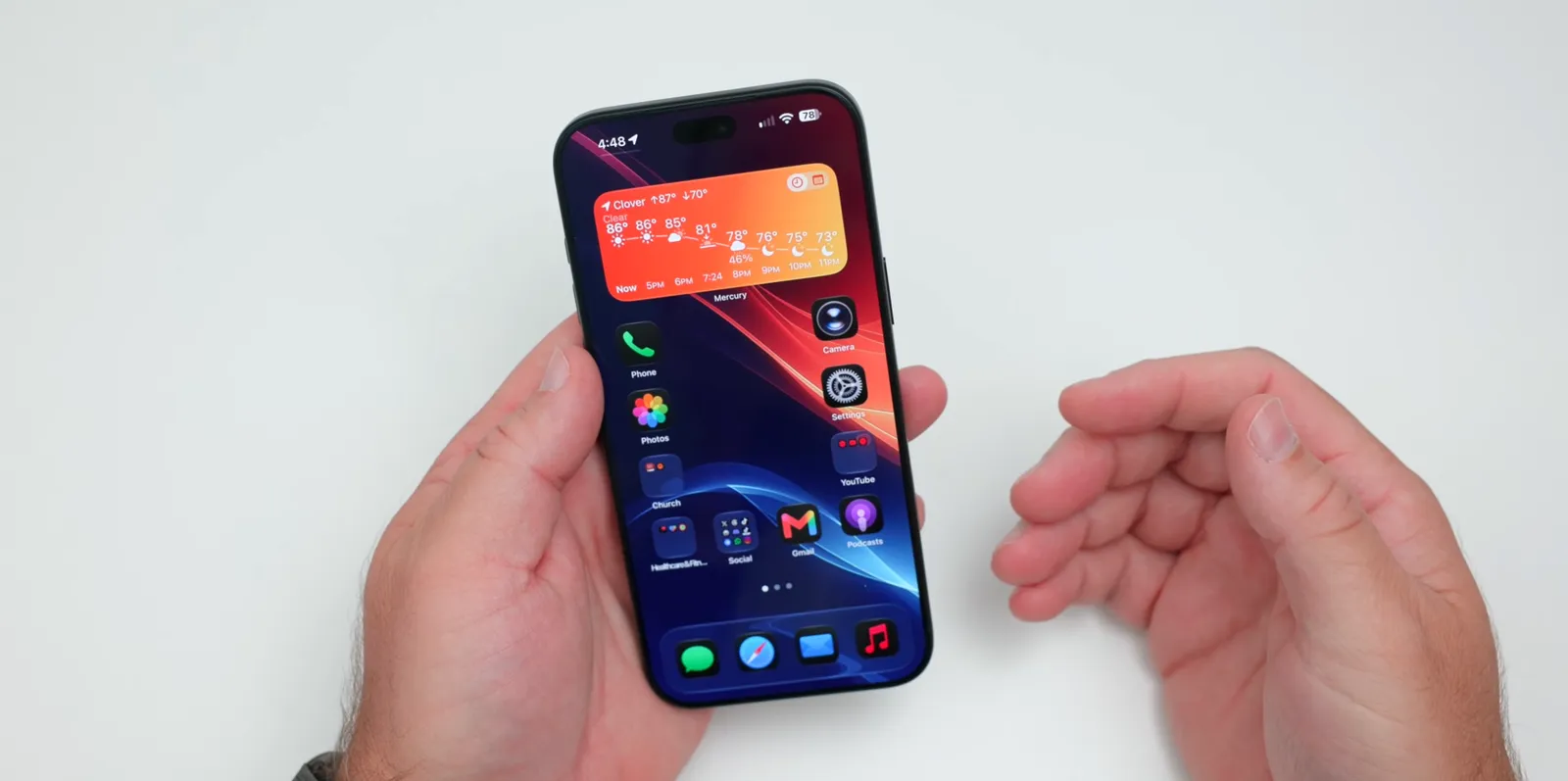
The iPhone 18 Pro and iPhone 18 Pro Max have landed, and after spending a few days with Apple's latest flagships, it's time for some initial impressions. While outwardly familiar, there are some key changes under the hood and in the details that are worth digging into. Let's break down what it's like to use these phones right out of the box.
The Price of Progress
Let's get the less exciting news out of the way first: the price. Apple has bumped up the cost of the iPhone 18 Pro lineup by $100 to $300, depending on the storage configuration. The base iPhone 18 Pro Max saw a $100 increase, while the 1TB version I'm using jumped by a hefty $300. It's a trend we're seeing across the board, and unfortunately, it means these are some seriously expensive devices this year.
A Display That Fades In
The display itself feels largely the same as last year's model, though Apple claims it's an LTPO Plus panel that's more power-efficient. The most noticeable change is the new, smaller Dynamic Island. In light mode, you can see it's a bit more compact, which feels less intrusive. This reduction in size also allows for up to three simultaneous Live Activities displayed at once. I was able to show a timer, Maps, and music playing all at the same time. Once you dismiss one, you're down to two. Outside of that, it mostly just blends into the top of the screen.
Design: The Slightest of Differences
If you were hoping for a radical redesign, you might be disappointed. The overall design language remains the same, with the main visual difference being the camera plateau, which is about 0.1mm thicker. Side-by-side with the iPhone 17 Pro Max, it's incredibly difficult to spot the change unless you're actively looking for it. The slight bump in thickness is almost imperceptible in daily use. The phone is technically heavier, but even that is a subtle difference that most users likely won't notice. It's worth noting this is officially the heaviest iPhone ever from Apple, surpassing the iPhone 14 Pro Max, though the difference feels minimal in hand, especially when compared to stainless steel models.
This year, Apple has switched to an aluminum frame instead of stainless steel. While the Silver model has a similar feel, the big differentiator for the new designs are the colors. We've got the new Glacier blue and a rich Burgundy, which seem to be the standout favorites. Apple also has a refreshed Silver and a classic Black. I opted for Black this year, a color I haven't used in a while. It matches the new Apple Watch Ultra 4 and fits my personal style, though I'll touch on some durability concerns later.
Protecting Your Investment: Caseu Cases
If you're looking to keep your new iPhone 18 Pro looking sharp, today's sponsor, Caseu, has you covered. Their Stanu cases are designed to showcase your new iPhone's color while providing robust protection. The clear cases maintain the original shades of the new iPhones, accented by Caseu's electroplated metal frame. For something different, the Frost series offers a semi-transparent, frosted look, and the Stanu Halo series adds a metallic glossy finish. All these cases feature Caseu's unique 360° spin stand that lies flush when not in use, supports MagSafe, and allows for portrait or landscape viewing. They also boast anti-yellowing technology to keep them clear for years, slim-fitting designs with strong aluminum structures, and airbag technology for drop protection.
You can check out the full range of Caseu Stanu cases via the link in the description below, and use code ZOLO15 for 15% off your order.
Durability and Daily Wear
Beyond the fingerprints that black finishes notoriously attract (and which wipe off easily enough), my main durability concern revolves around wear and tear on the aluminum frame. We've seen issues with the finish chipping or denting on previous aluminum iPhones. While I haven't encountered major damage yet, I'm watching the camera rings closely, as they tend to show wear first. Setting the phone down and picking it up repeatedly can cause the finish around the camera module to wear down, similar to what I've experienced on past iPhones. There can also be some wear at the bottom edge. On a black phone, this wear can be quite noticeable. We'll have to see how it holds up over time.
Face ID Quirks
One minor annoyance I've noticed this weekend is with Face ID. It seems to be working less consistently. I've found myself needing to enter my passcode more often, even after taking it off the charger. This could be related to the repositioning of some sensors under the display, but it's something I'll need to monitor. It's not a dealbreaker, as it's happened on previous iPhones for me too, but it's worth mentioning.
Battery Life: A Noticeable Leap
Here's where things get genuinely exciting: battery life is noticeably better. Even with the phone still indexing and optimizing in the background (searching, Siri, etc.), I'm seeing impressive results. As of this writing, with 87% battery remaining and background processes still running, I've had good endurance. Looking at usage stats, the iPhone 17 Pro Max might have given me around 4 hours of screen-on time if I was lucky. This iPhone 18 Pro Max, even while still indexing, is hitting around 5 hours of usage at 67% battery. That's a significant improvement.
This jump is largely thanks to a larger battery. Apple has packed in a 5,567 mAh battery, a considerable bump from the 4,323 mAh in the iPhone 17 Pro Max. This is a welcome upgrade and a major plus for daily use.
Connectivity and Camera
In terms of cellular and Wi-Fi, I haven't noticed any difference in connectivity over the past few days. Signal strength seems on par with the 17 Pro Max, with no dropped connections. The US model uses a Qualcomm modem, while other regions get the C2 modem. We'll need more time to assess performance there.
The camera system is where things get interesting, and I need more time to give a definitive verdict. There's a new variable aperture feature that's quite impressive. I used it while shooting my AirPods video, opening the aperture to f/4 to ensure a sharp subject with a blurred background. The results were great. The camera app also now offers manual white balance control, allowing you to set Kelvin values from 2000K to 10000K. This is fantastic for video creators who want precise color control on the go, preventing shifts in color temperature. For the average user, coming from the 17 Pro Max, you might not see a massive difference day-to-day, but the new tools are definitely appreciated.
Performance and Thermal Management
Running on iOS 27, the iPhone 18 Pro is, as expected, incredibly fast and smooth. While there are still occasional minor bugs, the overall experience is fluid, even with demanding tasks like ProMotion scrolling. The new processor is powerful, and to manage the heat generated, Apple has implemented a three times larger vapor chamber. This system helps dissipate heat more efficiently, allowing the processor to perform at its peak for longer periods. It's important to understand that this doesn't mean the phone will stay cool to the touch. The vapor chamber's job is to move heat away from the processor and utilize the phone's frame to radiate it. So, while the processor stays cooler, the external temperature can still get warm, especially during intensive tasks like prolonged video recording in bright sunlight. It's normal for the phone to get warm, but it's designed to prevent overheating that would throttle performance.
The Bottom Line: Early Days, Promising Signs
After just a few days, the iPhone 18 Pro and Pro Max feel like a substantial, if not visually revolutionary, upgrade. The improved battery life is a major win, and the smaller Dynamic Island is a subtle but effective tweak. While the price increase stings, and some durability concerns remain, the refined performance, enhanced camera controls, and better battery management paint a promising picture. Whether it's a must-have upgrade depends heavily on which specific features matter most to you. I'll be spending more time with it before a full review, but these initial impressions are overwhelmingly positive.
Comments
No comments yet — be the first to comment.