
Portugal vs. Norway: A Tactical Breakdown and Key Player Performances
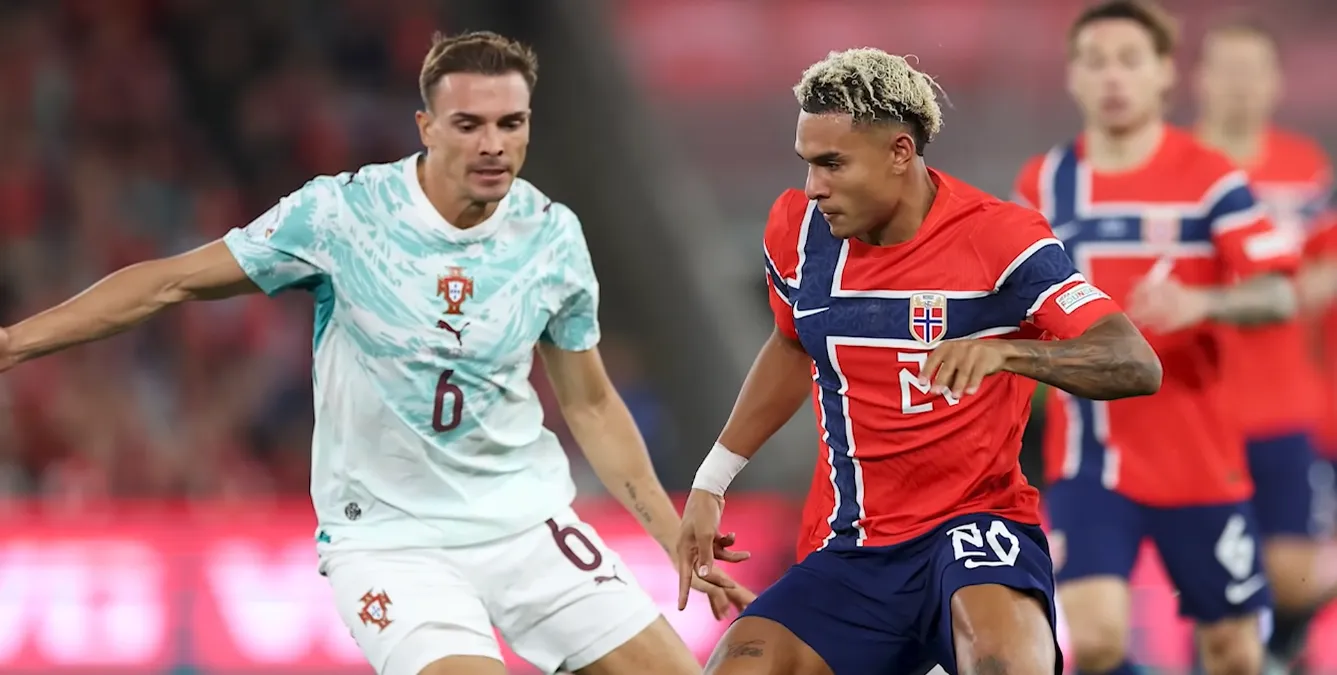
This was a match where both sides clearly came to play. Portugal secured a celebrated win, but Norway, despite the 2-1 scoreline, can feel a significant sense of missed opportunity. On another day, with better goalkeeping and a touch more clinical finishing, the outcome could have easily swung the other way. Norway created the lion's share of chances, outshooting Portugal 22 to fewer than half that number, especially in the first half. Yet, it was Portugal who managed to capitalize when it mattered most, securing a victory that felt hard-fought but perhaps not entirely earned on merit alone.
Joao Felix Finds His Form Under Jesus
A major talking point from this encounter was the continued resurgence of Joao Felix. He opened the scoring for Portugal and provided the kind of attacking threat that has long been promised but not always delivered. Under manager Giorgos Jesus, Felix is demonstrating a new lease on life, looking like the player many believed he could be. This isn't just a flash in the pan; his performances have been consistently strong.
Felix has been instrumental for Jesus, first at Al-Naser and now with the Portuguese national team. He's been involved in a remarkable 46 goals under Jesus, scoring his 28th in this period. When Felix starts for Portugal, good things tend to happen. In his last 10 starts, he's scored in five matches. With Bruno Fernandes and Cristiano Ronaldo not starting, Felix stepped up decisively, netting a well-taken opener.
His confidence is palpable, and it's a stark reminder of how a player's form can be heavily influenced by the trust and guidance of their manager. Players like Raphinha have also benefited from similar situations, finding their best form when paired with the right coaching staff. For Felix, it feels like a true turning point.
Portugal's Shifting Identity: Life Beyond Ronaldo?
The starting lineup for Portugal, featuring Goncalo Ramos and leaving Cristiano Ronaldo on the bench, was a significant talking point. This was a Portugal side that, in many observers' opinions, played with more fluidity and effectiveness without Ronaldo on the pitch. It’s a testament to the team's depth and tactical evolution that they can achieve a win even with their legendary captain absent from the starting XI.
The last time Cristiano Ronaldo played zero minutes for Portugal was a staggering 18 years ago, back in Euro 2008 against Switzerland. This match marks a departure from the narrative that Portugal's success is solely dependent on him. Players like Chico Conceicao and Pedro Neto showed flashes of brilliance, indicating a growing maturity and responsibility across the squad.
While Goncalo Ramos and Joao Felix contributed offensively, the true bedrock of this victory was Portugal's defense. The central defensive pairing of Ruben Dias and Danilo Pereira was immense. Pereira, in particular, delivered a man-of-the-match performance. Their combined effort, along with goalkeeper Diogo Costa, stifled Norway's potent attack, including Erling Haaland. This suggests a potential shift in Portugal's identity under Giorgos Jesus, with a newfound defensive solidity complementing their attacking flair.
Cristiano Ronaldo's Evolving Role
Cristiano Ronaldo's reduced role, starting on the bench, raises questions about his future and how his minutes will be managed. Manager Giorgos Jesus stated they wanted him involved for all four matches of the international break, implying a strategic approach to his playing time. At 39, while he still possesses flashes of his former brilliance, the physical demands are clearly taking their toll. It's becoming increasingly apparent that the time for him to pass the baton is approaching.
Goncalo Ramos, waiting in the wings, appears ready to seize the opportunity. He's a striker who thrives on confidence and the feeling of being the primary man. While his early club career didn't always see him in that central role, his opportunistic nature and work ethic suggest he could thrive under Jesus. As Ramos gains more opportunities, his goal-scoring prowess is likely to increase, benefiting Portugal in the long run.
Norway's Missed Opportunity and Haaland's Off Day
For Norway, this match represents a significant missed chance. They possess a strong scoring record, having found the net in 21 consecutive competitive matches, and boast firepower upfront. However, they were undone by a combination of Portugal's defensive strength and uncharacteristic errors from their own ranks.
Erling Haaland, usually a prolific scorer, had an uncharacteristically quiet game. He missed several key opportunities, including three in the first 50 minutes alone. Credit must be given to Ruben Dias and Diogo Costa for their crucial interventions. Dias made a goal-saving block on his own teammate, and Costa produced a point-blank save that denied Haaland what could have been multiple goals.
Orjan Nyland's Costly Errors
A major factor in Norway's defeat was the performance of goalkeeper Orjan Nyland. His display was a shadow of the form that might have impressed World Cup fans. He was directly responsible for Portugal's first goal and could have been culpable for another, only to be saved by a marginal offside call. Nyland's errors proved costly, particularly in relation to Goncalo Ramos's winning goal.
Phil, who has covered Spanish football extensively, notes that this was reminiscent of Nyland's time at Sevilla, where he struggled to secure a regular starting spot due to errors and inconsistent performances. His display here could indeed be an Achilles' heel for Norwegian football if it persists.
Antonio Nusa: The Next Big Thing?
On a more positive note for Norway, Antonio Nusa emerged as a bright spark. His performance, particularly in the first half, was impressive. Full of confidence, skill, and direct running, he consistently troubled the Portuguese defense and caused problems. He looked like a player enjoying his football, exhibiting fearlessness and immense potential.
Nusa's talent is undeniable, and he showcased a flair that suggests he could be the "next big thing" from Norwegian football. His former teammate at Leipzig, Youssoufa Moukoko, also enjoyed a strong World Cup, but Nusa's dynamic play stood out. He effectively toyed with Portugal's left-back, Nuno Mendes, making him look foolish at times. Given his abilities, clubs like Arsenal could certainly benefit from a player of his caliber, potentially offering him the chance to make a significant impact should they fail to secure Champions League silverware this season.
Portugal's Defensive Prowess
While the attacking talent of Felix and Ramos often grabs headlines, Portugal's defensive unit was the unsung hero against Norway. The central defensive partnership of Ruben Dias and Danilo Pereira was absolutely immense. Pereira, in particular, was arguably the best player on the pitch, commanding his area and making crucial interceptions. Alongside Diogo Costa in goal, they formed a formidable barrier that frustrated Norway's potent attack, ensuring that even Erling Haaland was kept relatively quiet.
The Verdict: A New Era for Portugal?
This match offered a glimpse into a potentially evolving Portugal. While Cristiano Ronaldo remains a significant figure, the team demonstrated that it can compete and win at the highest level even when he's not on the pitch. Joao Felix's revitalized form, coupled with a strong defensive showing, suggests a tactical flexibility and depth that bodes well for the future. Norway, despite creating more chances, will lament their missed opportunities and defensive frailties, particularly in goal. They possess exciting talent like Antonio Nusa and the ever-present threat of Erling Haaland, but consistency and capitalizing on key moments will be crucial for their future success.
Comments
No comments yet — be the first to comment.