
US H-1B Visa Program Faces Scrutiny Amidst Fraud Allegations and Potential Reforms
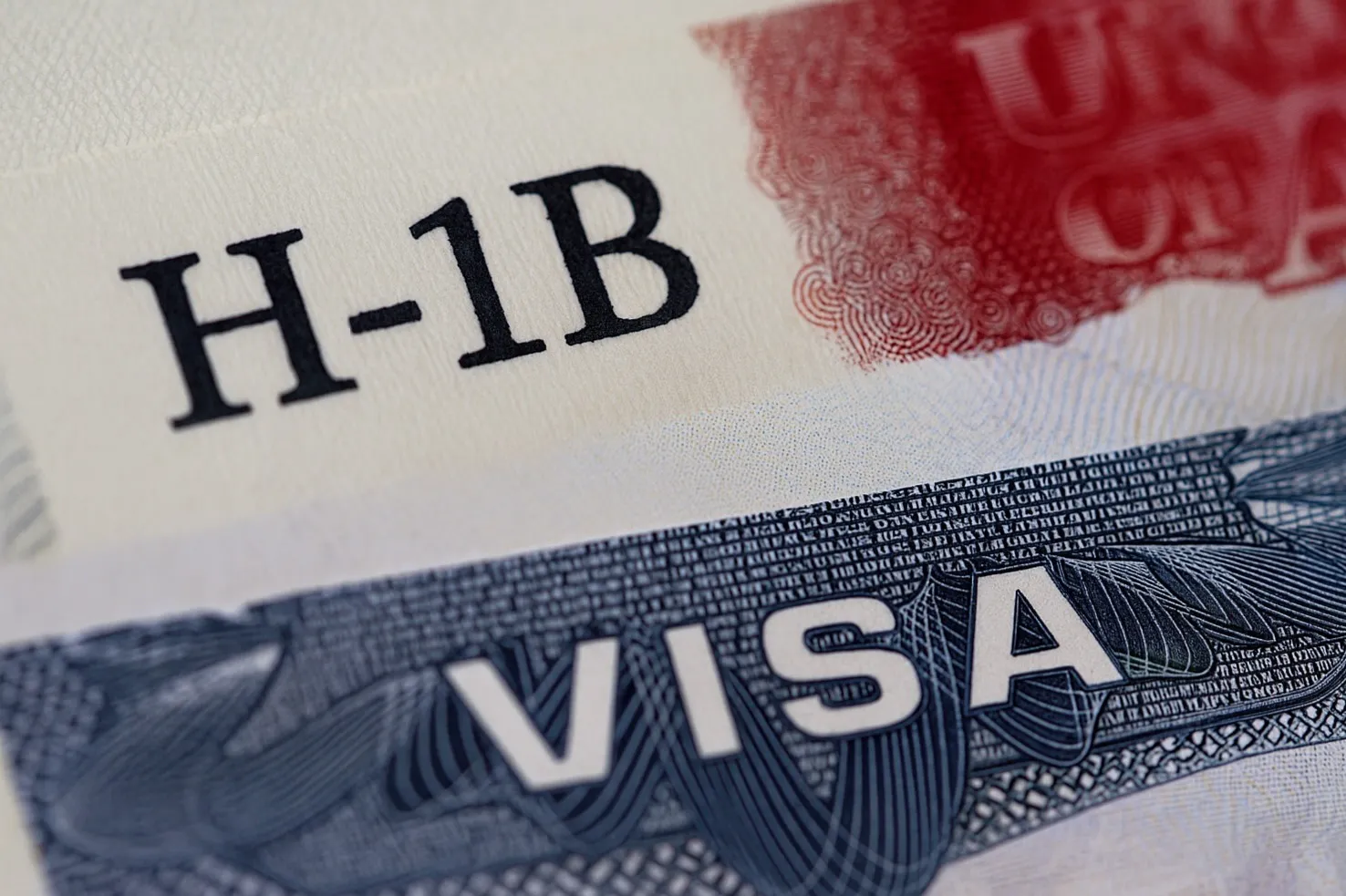
The United States H-1B visa program, a critical pathway for skilled foreign workers, is reportedly facing significant scrutiny and potential overhauls. Federal investigators are reportedly stepping up their investigation into allegations of fraud, worker exploitation, and even human trafficking connected to the program. This intensified focus, coupled with signals from the Trump administration about tighter checks on companies hiring foreign talent, suggests a considerably different landscape for H-1B visas in the coming year.
Heightened Scrutiny and Potential Policy Shifts
The administration's stance indicates a tougher approach to H-1B visas, with a clear message that the picture could look very different a year from now. This move isn't entirely unexpected. President Donald Trump has previously made immigration policy reform, including changes to the H-1B visa system, a central plank of his political platform, particularly during his second term campaign. The recent announcement from the U.S. Labor Commissioner signals a clear intent to reform the program and implement stringent measures to curb its misuse. While some analysts suggest these actions might be timed with upcoming midterm elections, the broader implications for foreign workers and the companies that employ them are substantial.
Declining Visa Uptake and Historical Context
Evidence suggests a downward trend in H-1B visa utilization. Reports indicate a fall of over 15% in the last year alone, with cumulative figures showing a steeper decline of around 35%. When looking at a longer timeframe, comparing 2015-2016 to the present, the drop in H-1B visa uptake is even more pronounced, potentially exceeding 50% to 60% over the decade. This decline could be attributed to a combination of factors, including increased scrutiny, policy changes, and potentially a shift in hiring practices by companies.
Reforms Not Targeted at India, Officials State
Despite the significant impact on the Indian IT sector, which relies heavily on H-1B visas, U.S. officials have previously stated that these measures are not specifically targeted at India. In May 2016, then-Secretary of State Marco Rubio, during a visit to India, reportedly emphasized that the reforms were intended to address systemic issues within the U.S. visa system. He described the changes as long-overdue reforms aimed at making the system more "tech-friendly" and beneficial for companies. The stated goal remains to curb the misuse of the H-1B visa system, with an understanding that visa policies are ultimately a sovereign issue for each nation.
Mitigating Measures and the Road Ahead
In response to the evolving landscape, companies have reportedly already begun implementing mitigating measures. The exact nature and scope of these measures are still unfolding, but they likely involve reassessing hiring strategies, exploring alternative visa options where available, and ensuring stricter compliance with existing regulations. The coming months will be crucial in determining the full extent of the H-1B visa program changes and their lasting impact on the global talent pool and the industries that depend on it.
Comments
No comments yet — be the first to comment.